

women reservation vs social justice : महिला आरक्षण- ‘कोट्यात कोटा’शिवाय सामाजिक न्याय अपूर्ण
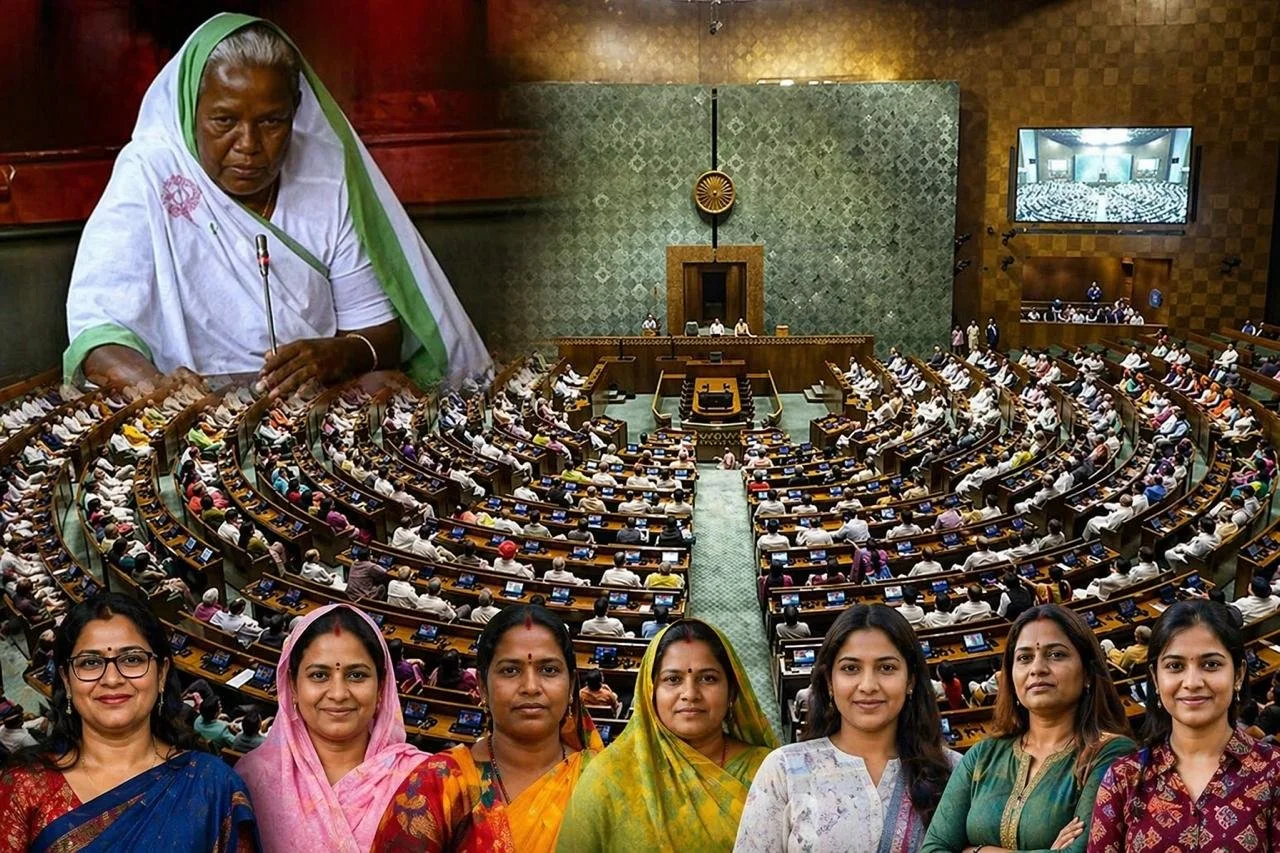
बिहारमधील गया लोकसभा मतदारसंघातून १९९६ मध्ये Bihar women MP Bhagwati Devi महादलित समाजाच्या महिला भगवती देवी, खासदार म्हणून निवडून आल्या होत्या. Janata Dal जनता दल पक्षाकडून निवडणूक लढवून त्यांनी BJP भाजपाच्या उमेदवाराचा पराभव केला होता. भगवती देवीचा राजकरणात प्रवेश होण्यापूर्वी त्या दगडफोडी करण्याचे काम करत होत्या. पुस्तकी शिक्षण घेतले नसले तरी सामाजिक परिस्थितीची त्यांना जाण होती. त्याकाळी त्यांनी महिलांना आरक्षण दिले जावे यासाठी संसदेत आवाज उठवला होता. त्यांचे म्हणणे होती की, “महिला आरक्षणात ‘कोट्यात कोटा’ नसेल, तर या सदनात फक्त राण्याच येतील… घास (गवत) कापणाऱ्या, पत्थर (दगड) फोडणाऱ्या आमच्या बहिणी कधीच इथे पोहोचणार नाहीत!”
तीन दशकांनंतर, २०२३ मध्ये महिला आरक्षण विधेयक मंजूर झाले. त्याचे संपूर्ण श्रेय सत्ताधाऱ्यांनी स्वतःकडे घेतले. पण ‘कोट्यात कोटा’ OBC, SC, and ST म्हणजेच ओबीसी /एससी/एसटी महिलांसाठी उप-आरक्षण आजही बाजूला ठेवण्यात आले आहे. ज्या मागणीसाठी भगवती देवीसारख्या गरीब घरातील महिलांनी दशकांपूर्वी आवाज उठवला होता, ती मागणी आजही प्रलंबितच आहे. भारताच्या लोकशाहीत २०२३ मध्ये मंजूर झालेले महिला आरक्षण विधेयक (नारी शक्ती वंदन अधिनियम) हा एक ऐतिहासिक टप्पा म्हणून सादर करण्यात आला. संसद आणि विधानसभांमध्ये महिलांसाठी ३३% आरक्षण देण्याची घोषणा करण्यात आली. परंतु या उत्सवाच्या पडद्यामागे एक मूलभूत प्रश्न अनुत्तरित राहतो हे आरक्षण खरोखर सर्व महिलांसाठी आहे का, की ते आधीच सत्तेच्या केंद्रात असलेल्या महिलांसाठी आणखी एक दरवाजा खुला करते?
महिलांचे प्रतिनिधित्व आणि वस्तुस्थिती:
आजही भारतीय संसदेत महिलांचे प्रतिनिधित्व मर्यादित आहे. १७व्या लोकसभेत (२०१९) महिलांचे प्रमाण सुमारे १४.४% (७८ महिला खासदार) होते. स्वातंत्र्यानंतरचे हे सर्वोच्च प्रमाण असले तरी जागतिक सरासरी (सुमारे २६% पेक्षा अधिक) पेक्षा कमी आहे. परंतु या आकड्यांमागे आणखी एक वास्तव लपलेले आहे. या महिलांपैकी मोठा हिस्सा हा राजकीय घराण्यांशी संबंधित, शहरी किंवा आर्थिकदृष्ट्या सक्षम वर्गातून येणार्या महिलांचा आहे. ओबीसी, एससी, एसटी महिलांचे स्वतंत्र आणि प्रमाणबद्ध प्रतिनिधित्व याबाबत कोणतीही अधिकृत सविस्तर माहिती प्रणालीबद्ध पद्धतीने उपलब्ध नाही. हीच बाब स्वतःत एक गंभीर समस्या आहे ‘ज्यांचे प्रतिनिधित्व मोजले जात नाही, त्यांचे प्रश्नही धोरणात दिसत नाहीत’.
स्थानिक स्वराज्य संस्थांचा अनुभव: भारतात पंचायती राज व्यवस्थेत महिलांसाठी ३३% (आणि अनेक राज्यांमध्ये ५०%) आरक्षण लागू आहे. यामुळे आज देशभरात सुमारे १४ लाखांहून अधिक महिला स्थानिक स्वराज्य संस्थांमध्ये निवडून आलेल्या आहेत. पण यूनायटेड नेशन्स महिला, पीआरएस legislative research या संस्थांच्या अहवालनुसार असे दिसून आले आहे की, जिथे एससी/एसटीसाठी स्वतंत्र आरक्षण आहे, तिथे त्या घटकांतील महिलांना खरोखर संधी मिळते. याउलट, जिथे सामाजिक उप-आरक्षणाचा अभाव आहे, तिथे ‘प्रॉक्सी प्रतिनिधित्व’, सत्ताधारी कुटुंबांचा प्रभाव आणि उच्चवर्गीय वर्चस्व कायम राहते.
भगवती देवींनी केलेल्या ‘कोट्यात कोटा’ मागणीची का आवश्यक आहे?
भारतीय समाजाची रचना बहुस्तरीय विषमतेवर आधारलेली आहे. राष्ट्रीय नमुना सर्वेक्षण (NSSO) आणि विविध सामाजिक अभ्यास दर्शवतात की:
ग्रामीण एससी /एसटी महिलांमध्ये शिक्षण पूर्ण करण्याचे प्रमाण अत्यंत कमी आहे.
ओबीसी आणि दलित महिलांचा अनौपचारिक कामगार क्षेत्रातील सहभाग ७०% पेक्षा अधिक आहे.
राजकीय पक्षांच्या उमेदवारीत आर्थिक व सामाजिक भांडवलाला प्राधान्य दिले जाते. अशा परिस्थितीत, ‘समान आरक्षण’ ही संकल्पना प्रत्यक्षात असमान परिणाम निर्माण करते. कारण स्पर्धेची सुरुवातच असमान पातळीवर होते.
कायदेशीर आणि धोरणात्मक विरोधाभास
भारतीय राज्यघटनेने सामाजिक न्याय हे केवळ मूल्य म्हणून नव्हे, तर कृतीत उतरवण्याचे तत्त्व म्हणून मान्य केले आहे. अनुच्छेद १५(३) राज्याला महिलांसाठी विशेष तरतुदी करण्याचा अधिकार देतो, तर अनुच्छेद १५(४) सामाजिक आणि शैक्षणिकदृष्ट्या मागासवर्गीयांसाठी विशेष उपाययोजना करण्यास मान्यता देतो. याच तत्त्वांवर आधारित राहून भारताने एससी /एसटी आरक्षणासारख्या रचनात्मक उपाययोजना स्वीकारल्या. मात्र, महिला आरक्षणाच्या बाबतीत ‘कोट्यात कोटा’ म्हणजे ओबीसी, एससी, एसटी महिलांसाठी स्वतंत्र उप-आरक्षण न देणे हा स्पष्टपणे धोरणात्मक विरोधाभास ठरतो. voices of marginalized women कारण राज्यघटनेने मान्य केलेल्या ‘समानतेतील न्याय’ (substantive equality) या तत्त्वानुसार, केवळ सर्वांना समान संधी देणे पुरेसे नसते; तर ऐतिहासिकदृष्ट्या वंचित घटकांना पुढे आणण्यासाठी विशेष आधार देणे आवश्यक असते. या संदर्भात सर्वाच्च न्यायालयानेही इंद्रा सवहणे वि यूनियन ऑफ इंडिया (Indra Sawhney vs Union of India, 1992) स्पष्ट केले आहे की, सामाजिक आणि शैक्षणिक मागासलेपणा दूर करण्यासाठी आरक्षणासारख्या उपाययोजना आवश्यक आहेत आणि त्या समानतेच्या तत्त्वाशी सुसंगत आहेत. याशिवाय, निवडणूक प्रक्रियेतील वास्तव पाहिले तर वंचित महिलांसाठी अडथळे अधिक आहेत. जे Election Commission of India च्या उमेदवारी आणि निवडणूक खर्चाच्या आकडेवारीवरून दिसून येते की:
लोकसभा निवडणुकीसाठी कायदेशीर खर्च मर्यादा सुमारे ₹७०–९५ लाख (राज्यानुसार बदलते) आहे;
प्रत्यक्ष खर्च अनेकदा या मर्यादेपेक्षा जास्त असतो (Association for Democratic Reforms अहवालानुसार);
बहुतेक उमेदवारांकडे कोट्यवधींची मालमत्ता असते. २०१९ लोकसभा निवडणुकीत निवडून आलेल्या खासदारांपैकी सुमारे ८८% ‘खासदार हे करोडपती’ होते.
या पार्श्वभूमीवर, ग्रामीण, दलित, आदिवासी आणि ओबीसी महिलांसाठी निवडणूक लढवणे हे केवळ राजकीय नव्हे, तर आर्थिकदृष्ट्याही जवळपास अशक्य बनते. नेटवर्क, पक्षीय पाठबळ, प्रचार यंत्रणा आणि सामाजिक भांडवल यांचा अभाव हा त्यांच्या वाट्याला येणारा मोठा अडथळा आहे.
राजकारण की प्रतिमा व्यवस्थापन?
महिला आरक्षण विधेयकाचा प्रचार हा ‘महिला सक्षमीकरण’ म्हणून केला जात आहे. परंतु जेव्हा ‘कोट्यात कोटा’ सारखी मूलभूत मागणी दुर्लक्षित केली जाते, तेव्हा हा प्रश्न उभा राहतो ही खरोखर सक्षमीकरणाची प्रक्रिया आहे की केवळ प्रतिमा उभारण्याचा प्रयत्न? तीन दशकांपूर्वी भगवती देवी यांनी दिलेला इशारा आज अधिकच तीव्र वाटतो. जर आरक्षणात सामाजिक विविधतेचे प्रतिबिंब नसेल, तर संसदेत फक्त सत्ताधारी वर्गातील महिलांची संख्या वाढेल, वंचित महिलांचा आवाज मात्र तसाच दाबला जाईल, जसा शतकानुशकते दाबला जात आहे. महिला आरक्षण हे निश्चितच आवश्यक आणि स्वागतार्ह पाऊल आहे. पण ते पुरेसे नाही. खऱ्या अर्थाने सर्व समावेशक लोकशाहीसाठी खालील पावले तातडीने आवश्यक आहेत.
ओबीसी , एससी, एसटी महिलांसाठी स्पष्ट उप-आरक्षणाची तरतूद
राजकीय पक्षांसाठी उमेदवारीत सामाजिक विविधतेची बंधनकारक अट
वंचित महिलांसाठी राजकीय प्रशिक्षण, निधी आणि संरचनात्मक सहाय्य
प्रतिनिधित्वावर डेटा संकलन आणि सार्वजनिक पारदर्शकता
महिला आरक्षण हा केवळ आकड्यांचा खेळ नाही; तो न्यायाचा प्रश्न आहे. संसदेत महिलांची संख्या वाढवणे महत्त्वाचे आहे, पण त्या महिलांमध्ये समाजाच्या सर्व स्तरांचा आवाज असणे त्याहून अधिक महत्त्वाचे आहे. जर ‘कोट्यात कोटा’ नसेल, तर हे आरक्षण अपूर्ण राहील आणि लोकशाहीही. यासाठी गरज आहे ती धाडसी राजकीय इच्छाशक्तीची. कारण दगड फोडणाऱ्या, शेतात राबणाऱ्या, कष्टाने जगणाऱ्या महिलांना फक्त प्रतीक नको आहे त्यांना सत्ता आणि निर्णय प्रक्रियेत खरा वाटा हवा आहे, तेव्हाच 2047 च्या विकसित भारताची स्वपणे साकारले जाऊ शकते.
India’s Women’s Reservation Law Risks Reinforcing Inequality
n 1996, from the Gaya parliamentary constituency in Bihar, Bhagwati Devi, a woman from the Mahadalit community, was elected to Parliament. Contesting on a Janata Dal ticket, she defeated a candidate from the Bharatiya Janata Party. Bhagwati Devi’s journey to Parliament was extraordinary. Before entering politics, she worked as a stone breaker—a daily wage laborer surviving at the margins of society. She had no formal education, yet possessed a deep and intuitive understanding of social realities and injustice. In Parliament, she became a strong voice for marginalized women. At a time when the debate on women’s reservation was still evolving, she articulated a truth that remains strikingly relevant today:
“If there is no quota within quota in women’s reservation, only elite women will enter this House. Women who cut grass and break stones—our sisters—will never reach here.” Her words were not merely a critique; they were a warning. They captured, with remarkable clarity, the risk of exclusion hidden within the promise of inclusion—reminding us that without structural safeguards, political reform can easily reproduce the very inequalities it seeks to dismantle.
Three decades later, in 2023, the Women’s Reservation Bill was finally passed. The ruling establishment claimed full credit for what was presented as a historic reform. Yet, the crucial demand for “quota within quota”—sub-reservation for OBC, SC, and ST women—remains conspicuously absent. The very demand that women like Bhagwati Devi, from the most marginalized sections of society, had raised decades ago still remains unresolved. The legislation, formally known as the Nari Shakti Vandan Adhiniyam, has been celebrated as a landmark moment in India’s democratic journey. It promises 33% reservation for women in Parliament and State Assemblies, and has been widely projected as a bold step toward gender equality. But behind this celebration lies a fundamental and unsettling question: Is this reservation truly for all women—or does it simply open another door for those already closer to the corridors of power?
Women Representation vs Reality
Even today, women’s representation in India’s Parliament remains limited. In the 17th Lok Sabha (2019), women constituted approximately 14.4% of Members of Parliament—78 women in total. While this marks the highest representation since independence, it still falls significantly short of the global average, which stands at over 26%. Yet, these numbers conceal a deeper and more troubling reality. A substantial proportion of these women come from political families, urban backgrounds, or economically privileged sections of society. Their presence, while important, does not fully reflect the diversity of women across India’s deeply stratified social landscape. Crucially, there is no comprehensive, systematically available official data on the independent and proportionate representation of women from OBC, SC, and ST communities in Parliament. This absence is not merely a statistical gap—it is a structural problem. What is not counted is rarely seen, and what is not seen is rarely addressed. In this sense, the invisibility of marginalized women within data systems mirrors their invisibility within political power itself.
Lessons from Local Governance
India’s experience with local self-governance offers important lessons. Under the Panchayati Raj system, a 33% reservation for women has been extended to 50% in several states for decades. As a result, over 1.4 million women have been elected to local government bodies across the country. At first glance, this appears to be a remarkable success in expanding women’s political participation. However, closer examination reveals a more complex picture. Reports by organizations such as UN Women and PRS Legislative Research indicate that where separate reservations exist for OBC, SC and ST communities, women from these groups are genuinely able to access political space and exercise leadership. In contrast, in areas where such social sub-reservations are absent, patterns of exclusion persist. “Proxy representation,” where elected women are informally controlled by male relatives, remains widespread. Political power often continues to be concentrated within dominant families, reinforcing elite control rather than democratizing it. This contrast underscores a crucial point: reservation alone does not guarantee inclusion—its design determines who truly benefits.
Why “Quota Within Quota” Is Essential
The demand for “quota within quota,” articulated decades ago by Bhagwati Devi, is not merely a political argument—it is grounded in the structural realities of Indian society. India’s social fabric is shaped by layered and entrenched inequalities. Evidence from the National Sample Survey Office and multiple social studies highlights this starkly:
Educational attainment among rural SC and ST women remains critically low.
More than 70% of OBC and Dalit women are concentrated in the informal labor sector, often in precarious and low-paying work.
Political party nominations tend to favor candidates with economic resources, social capital, and established networks.
In such a context, the idea of “equal reservation” produces unequal outcomes. When the starting point itself is unequal, a uniform quota does not level the field—it reinforces existing hierarchies. Those already equipped with resources and access are far better positioned to claim the benefits, while those at the margins continue to be excluded. “Quota within quota,” therefore, is not about fragmentation—it is about fairness. It is a necessary corrective to ensure that representation does not become a privilege of the already privileged, but a pathway for those historically denied access to power.
Legal and Policy Contradictions
India’s Constitution does not treat social justice as a symbolic ideal—it embeds it as a principle to be actively realized. Article 15(3) empowers the state to make special provisions for women, while Article 15(4) explicitly allows targeted measures for socially and educationally backward classes. It is on this very foundation that India has historically implemented structural interventions such as reservations for SC and ST communities. Yet, in the case of women’s reservation, the absence of “quota within quota”—that is, sub-reservations for OBC, SC, and ST women—reveals a clear policy contradiction. If the Constitution recognizes layered disadvantage, why does the current framework ignore it? The principle of substantive equality, central to constitutional morality, makes it clear that equality is not achieved by treating unequals as equals. Merely providing identical opportunities is insufficient; historically marginalized groups require additional support to access those opportunities meaningfully. This position has also been affirmed by the Supreme Court of India in the landmark Indra Sawhney v. Union of India judgment, which upheld reservations as a necessary instrument to address deep-rooted social and educational backwardness—fully consistent with the principle of equality. Beyond constitutional reasoning, the realities of electoral politics further expose this contradiction. Data from the Election Commission of India and analyses by the Association for Democratic Reforms highlight the structural barriers faced by marginalised women:
The legal expenditure limit for contesting a Lok Sabha election ranges between approximately ₹70–95 lakh (varying by state).
In practice, actual campaign spending often exceeds these limits.
A significant majority of elected representatives come from affluent backgrounds—around 88% of Members of Parliament elected in 2019 were millionaires.
In such a landscape, contesting elections is not merely a political challenge—it is an economic one. For rural, Dalit, Adivasi, and OBC women, entering electoral politics becomes nearly impossible. The absence of financial resources, political networks, party backing, and campaign infrastructure creates formidable barriers. Without addressing these structural inequalities, the promise of political inclusion risks remaining out of reach for those who need it the most.
Empowerment or Optics?
The Women’s Reservation Bill is being widely promoted as a landmark step toward women’s empowerment. But when a fundamental demand like “quota within quota” is sidelined, an uncomfortable question emerges: Is this truly a process of empowerment, or merely an exercise in political image-building? The warning issued nearly three decades ago by Bhagwati Devi feels even more urgent today. If reservation does not reflect social diversity, Parliament will simply see an increase in women from already dominant sections, while the voices of marginalized women remain as suppressed as they have been for centuries. Women’s reservation is undoubtedly necessary—and long overdue. But it is not sufficient. For India to move toward a genuinely inclusive democracy, several urgent steps are needed:
Clear sub-reservations for OBC, SC, and ST women within the broader quota
Mandatory diversity criteria for political party nominations
Institutional support, including training, funding, and capacity-building for marginalized women
Robust data collection and public transparency on representation
Women’s reservation is not merely about numbers—it is about justice. Increasing the number of women in Parliament matters. But ensuring that these women reflect the full diversity of Indian society matters even more. Without “quota within quota,” this reform will remain incomplete—and so will democracy itself. What is needed now is not just policy, but political courage. Because the women who break stones, toil in fields, and survive at the edges of society do not seek symbolic inclusion. They seek a real share in power and decision-making. Only then can the vision of an equitable and truly developed India by 2047 become more than a promise—it can become a reality.